Spring 2026 Reflections: Co-creation, Circularity, and New Perspectives
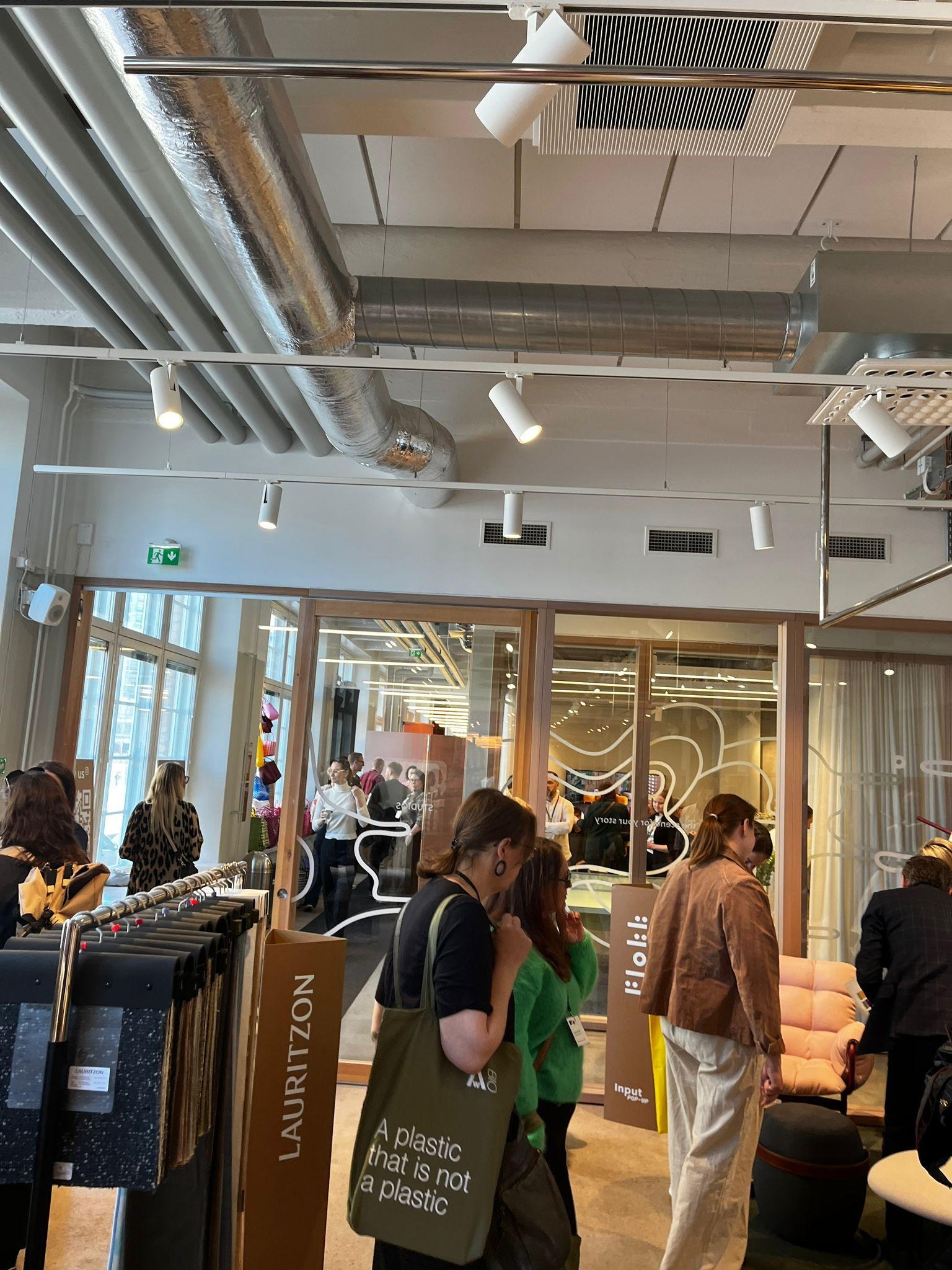
It is already the end of May, and as spring slowly begins to fade into summer, it feels like the right moment for Niimaar to pause, take a breath, and reflect on the season behind us.
Spring is mostly associated with the revival of nature and some new energy that converts into new ideas and projects. Looking back at the spring season, the one theme that runs like a red thread throughout all our major milestones is the power of co-creation.
Again and again, we came across the idea that meaningful solutions do not emerge in a vacuum, but rather are born in conversations, discussions, debates, and feedback.
Thus, throughout the spring, we had an opportunity to collaborate with experts, designers, researchers, and businesses who challenged the way we communicate the value of the circular materials.
Although sustainability has become increasingly important for companies and consumers, the products made of recycled and circular materials still face certain perception barriers. Research suggests that while consumers often associate recycled products with environmental friendliness and positive self-expression, they may simultaneously perceive them as lower in quality compared to conventional alternatives. This leads to concerns regarding the low performance, financial risks, aesthetics, or even health hygiene (e.g., sanitary or hygienic fear of contamination). (Polyportis et al., 2022).
Furthermore, according to the research conducted by the Swedish Stena recycling company, 62% of respondents believe that sustainable products should not cost more than conventional alternatives, and many consumers are only willing to pay the same price or less (Stena Recycling, 2026).
ARKI 135
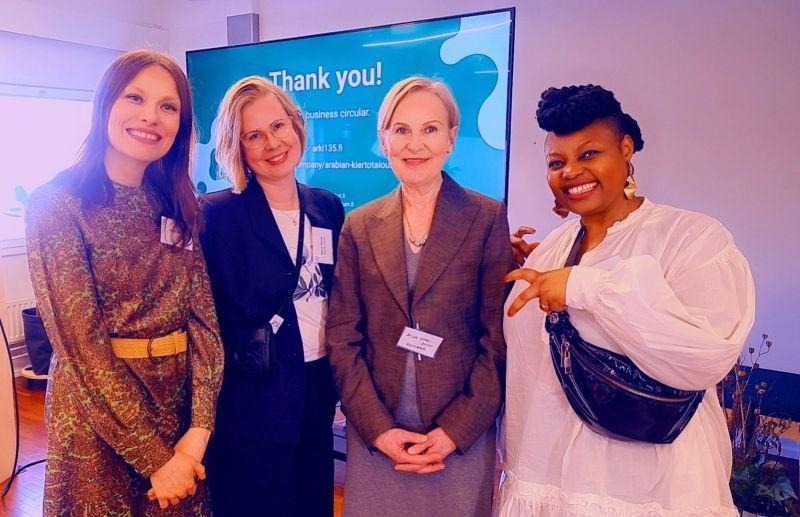
These questions became particularly relevant during our participation in the ARKI 135 series of workshops organised by the Arabian Circular Hub. We were lucky to collaborate with inspiring startups such as Zipli, Uusi0, and HUP, which are advancing the sustainability industries ranging from construction, fashion, and the digitization of the food side streams.
The workshops featured expert lectures, hands-on exercises, brainstorming sessions, and group discussions. We were especially grateful for the opportunity to work alongside professionals such as Maarit Halonen, Maj-Lis Viitanen, and Eunice Moono, whose insights encouraged us to approach familiar challenges from entirely new angles.
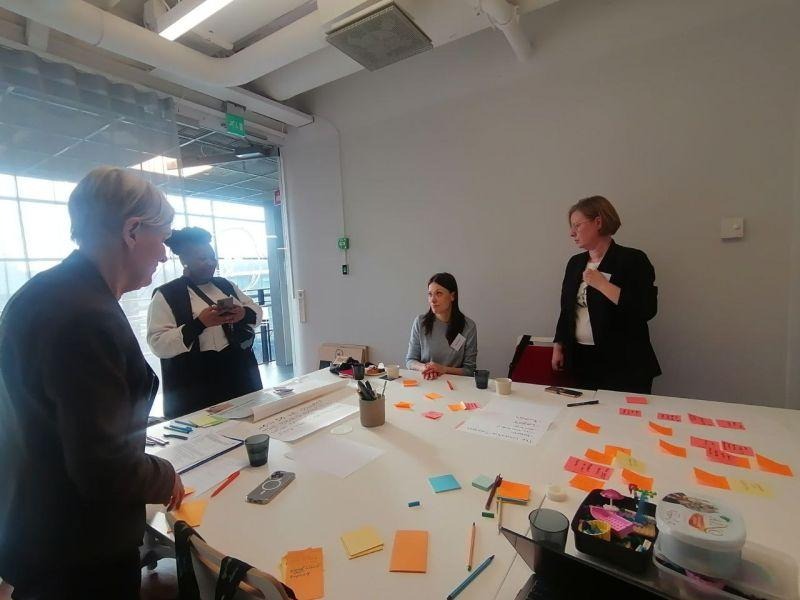
Our goal throughout the project was to generate emotional, functional and market value and shift the mindset toward appreciating the recycled consumer products.
Together with our brilliant collaborative team, we discovered how to translate the circular materials value into compelling narratives, since one of the major challenges is overcoming the biased negative perception that wood-based side-stream materials are somehow low-quality, or simply waste. As noted by the researchers (Wieczerzycki and Deszczynski, 2022), narratives are important tools for shaping people’s memories, beliefs, and knowledge (Wieczerzycki and Deszczynski, 2022). By communicating the craftsmanship, premium local origin, and uniqueness behind the circular materials, we can help consumers to see them not as leftovers but as meaningful resources for creating high-quality products.
It was also a valuable opportunity for learning from other businesses and industry experts.
Together with Riikka Mäkikoskela, the director of the Radical Creativity Center at Aalto University, we explored the principles of radical creativity. It implies challenging or fundamentally changing something that already exists or breaking the established paradigm (Aalto 2026).
For Niimaar, creating significant positive changes and advancing sustainable principles is at the core of the business mindset and operations. In our case, radical creativity means launching a product that has no direct equivalent in Finland in terms of responsible, innovative material sourcing. It is particularly important to bring this unique value proposition to the local market and foster its acceptance among users.
This perspective aligns with the Service-Dominant Logic model, developed by Vargo and Lusch (2017), which suggests that companies should concentrate not only on creating, communicating, and delivering products, but also on creating value in collaboration with customers and their continuous feedback.
Throughout the workshops, we tried to embrace experimental thinking and serendipity while exploring the key themes for the storyline. We realised that the value creation for the customer is as multifaceted and complex a journey that requires continuous learning, collaboration, and refinement.
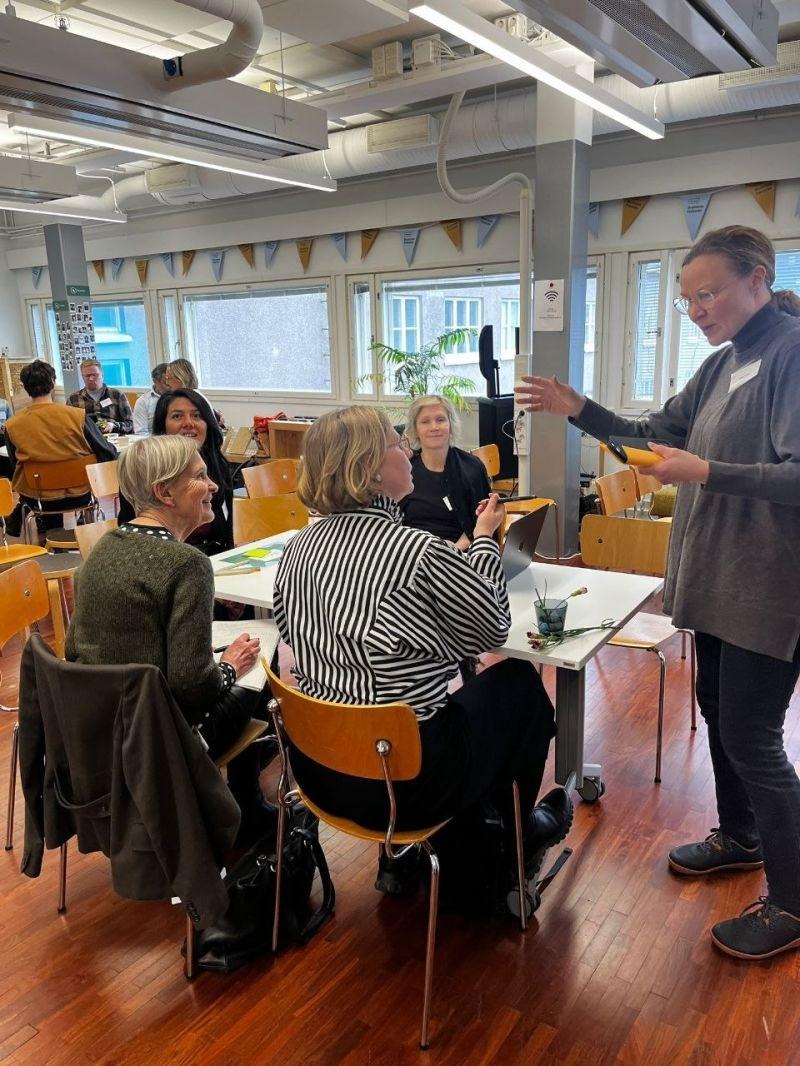
Another valuable opportunity was working with Ann Zemenak Sarimo, marketing and communication specialist and founder and CEO of Shop of Good. Together, we reviewed the main selling points, positioning, and the targeted segmentation. This helped us better define our customer groups, clarify our value proposition and competitive advantage, and outline the next steps for the coming 3 months.
References:
Stena Recycling. (n.d.). Product features that determine sustainable consumption. URL: https://www.stenarecycling.com/news-insights/insights-inspiration/guides-articles/product-features-for-sustainable-consumption/
Polyportis, A., Mugge, R., & Magnier, L. (2022). Consumer acceptance of products made from recycled materials: A scoping review. Resources, Conservation and Recycling, 186. URL: https://www.sciencedirect.com/science/article/pii/S092134492200369X
Vargo, S. L., & Lusch, R. F. (2017). Service-dominant logic 2025. International Journal of Research in Marketing, 34(1), 46–67. URL: https://www.sciencedirect.com/science/article/abs/pii/S0167811615302007
Wieczerzycki, M., & Deszczyński, B. (2022). Collective storytelling: Value co-creation in narrative-based goods. Marketing Theory, 22(3), 445–463. URL: https://journals-sagepub-com.proxy.shh.fi/doi/pdf/10.1177/14705931221075832
Jaa Tarina