
Circular Design Chronicles: Niimaar’s Informative Package Part – 3
Digital Product Passport
Achieving environmental sustainability necessitates a deep comprehension of the interconnected challenges of climate change, biodiversity loss, and natural resource depletion, along with the development of digital innovations to address these issues. Policy measures supporting the green and digital transition, also known as the twin transition, establish a regulatory framework guiding all stakeholders in value chains, spanning from material acquisition to product manufacturing and beyond.
The European Green Deal serves as the EU’s strategic blueprint for fostering a resource-efficient, competitive, and climate-neutral economy by 2050, with a focus on the responsible use of natural resources and social equity. Central to this initiative is the Circular Economy Action Plan (CEAP), which facilitates the shift towards a circular economy and underpins the EU’s industrial rejuvenation objectives, including the creation of job opportunities in sustainable sectors.
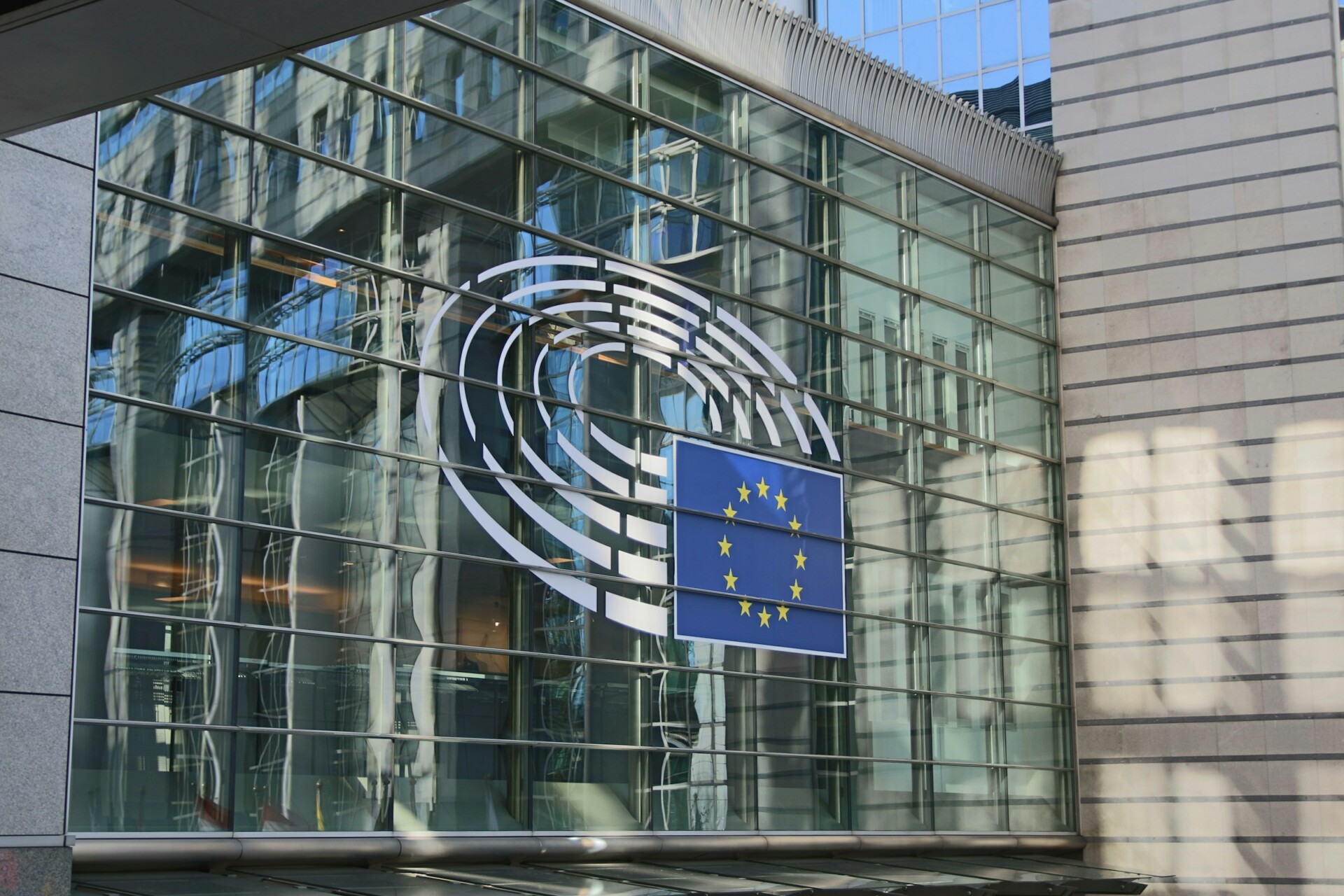
For realizing the European Green Deal and an equitable transition to green and digital practices, enhanced access to both open and private data is imperative. Here, leveraging data effectively is crucial for boosting sustainable business models, promoting the circular economy, and enhancing productivity, resource efficiency, and product traceability. The enactment of the European Data Act and other regulations aligned with the European data strategy not only propels the implementation of the twin transition but also accelerates the growth of the data economy, driving progress towards the overarching goals of the European Green Deal.
Twin Transition refers to the simultaneous shifts towards environmental sustainability through the green transition, which involves moving away from fossil fuels and excessive use of natural resources, and the digital transition, which involves leveraging technology to support eco-friendly practices. Such interconnected approach recognizes the importance of balancing economic growth with environmental preservation to ensure long-term prosperity and well-being. The green transition focuses on achieving sustainable economic growth, while the digital transition complements these efforts by providing innovative solutions to help reach climate neutrality. Together, these transitions emphasize the crucial link between economic development and environmental conservation in fostering a sustainable future.
The EU’s circular economy action plan includes legislative measures intended to reduce the environmental impact of products and materials produced or brought into the EU. If a product fails to meet the new standards set under the plan, it will not be allowed to be sold or used within the EU region. This initiative aims to enhance the environmental sustainability of goods in the EU market, making them more eco-friendly, circular, and energy-efficient across their entire life cycle, from design and production to daily usage, recycling, and disposal. The EU’s latest regulations, including the battery regulation and the proposed Ecodesign for Sustainable Products Regulation (ESPR), are leading initiatives aligning with the circular economy goals of the European Green Deal. These regulations cover about 30 product categories and are scheduled to be gradually enforced by 2030. The ESPR will emphasize the importance of using long-lasting materials, facilitating repair, promoting maintenance, and enhancing recyclability across the EU market. Additionally, these regulations will introduce requirements for a Digital Product Passport (DPP), which will provide essential information about the sustainability and environmental impact of products.
Digital Product Passport (DPP) is a technological concept within the EU that involves gathering information about products from every stage of the value chain, including details on the quality of manufacturing materials, raw materials used, product safety, usage, and recyclability across all industries (excluding food, feed, and pharmaceuticals). The aim of enhancing transparency in the supply chain is to support sustainable practices in design and manufacturing, facilitate the shift towards a circular economy, open up new avenues for business growth, aid regulatory bodies in oversight, and empower consumers to make environmentally conscious decisions.

In general, the potential impact and role of implementing the Digital Product Passports (DPP) is anticipated as a tool for EU’s ambition to lead in sustainable production and achieve carbon neutrality by 2050. The DPP concept, which is still in development, requires stakeholders to share regulatory and environmental information about products throughout their life cycle.
Collaboration on DPPs could open up new opportunities for circular economy business models. The paper draws from Finnish pilot projects to provide recommendations for accelerating DPP development and adoption, emphasizing the need for digitalization and standardization of product information. Implementing DPPs is seen as a strategic priority that can enhance product circularity, inform decision-making, and streamline compliance verification across industries. The paper also outlines best practices for generating value for all stakeholders in the value chain through the use of existing data sources and information systems.
Key Takeaways & Stairway to the Future
In a nutshell, the principles of the circular economy and circular design are essential for achieving a sustainable and resource-efficient future. By promoting the reuse, recycling, and regeneration of materials, businesses can reduce their environmental impact and contribute to a more resilient economy. Embracing circularity not only minimizes waste and conserves resources but also fosters innovation, job creation, and economic growth. The integration of circular economy strategies and circular design practices will play a critical role in driving positive environmental and economic outcomes, paving the way for a more sustainable and prosperous future.
Nevertheless, circular economy and DPP are closely related concepts that both aiming to promote sustainability and resource efficiency in the production and consumption of goods. In this context, DPP is a digital record that contains information about a product’s lifecycle, including its materials, components, production processes, energy use, and disposal options. Such information helps consumers make more informed choices about the products they buy, and also enables companies to design and produce products in a more sustainable way.

In parallel, circular economy principles emphasize the importance of keeping resources in use for as long as possible, through strategies such as repair, reuse, and recycling. DPP support these principles by providing data that can help facilitate the reuse and recycling of products, as well as the responsible disposal of materials at the end of a product’s life. Through this companies can track the environmental impacts of their products throughout their lifecycle, and make more sustainable decisions about design, production, and end-of-life management. This ultimately contributes to a more circular economy by reducing waste, conserving resources, and minimizing the environmental footprint of products.
As a pioneer, the European Union is promoting the development and implementation of these passports as a tool to advance sustainability and circular economy goals. It is projected to enhance transparency, traceability, and resource efficiency in supply chains, aligning with EU initiatives like the Circular Economy Action Plan and the European Green Deal and also, are predictable to become standard practice in supply chains, enabling greater transparency and traceability while promoting sustainable consumption and production. Unavoidably, the EU will continue to prioritize digital technologies and sustainability initiatives, further integrating product passports into policies and regulations to support the transition towards a circular economy.
Share Story