Plywood as a circular material in everyday spaces part 2
Repairability
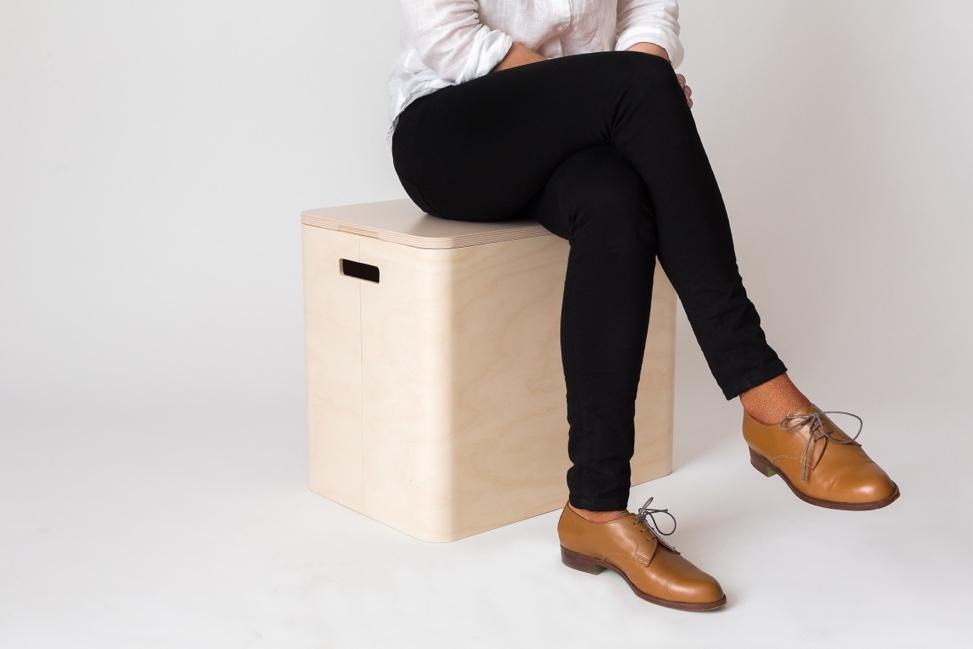
Like any other material, plywood can sustain damage. But unlike plastics or MDF, which may crack forever, or metal, which often requires repainting or costly welding, plywood can usually be repaired simply and affordably.
Thus, for example, superficial scratches or dents can be sanded or coloured, touched up with a colour pen, or filled with putty. Any small crack or delamination can be fixed with wood glue or epoxy.
This means Niimaar’s recycling stations are not only durable, but also maintainable. Instead of replacing a whole unit, owners can restore it—keeping the product in use longer and reducing waste.
Fire safety
One aspect of plywood that often surprises people is its fire safety performance, which is particularly important in public spaces. While plywood burns, it has optimal dimensional stability under heat and a relatively low rate of combustion, better than solid wood.
Secondly, plywood has the predictable fire behavior, meaning that plywood chars slowly and evenly (about 0.6 mm per minute), compared to plastics that can emit toxic fumes, such as dioxin, furan, and heavy metals. MDF, on the other hand, ignites much faster than plywood and may produce more smoke and toxic gases due to volatile organic compounds (VOCs) in its adhesives and resins. Additionally, plywood’s fire resistance could be further improved with a special coating.
Aesthetics and visual appeal
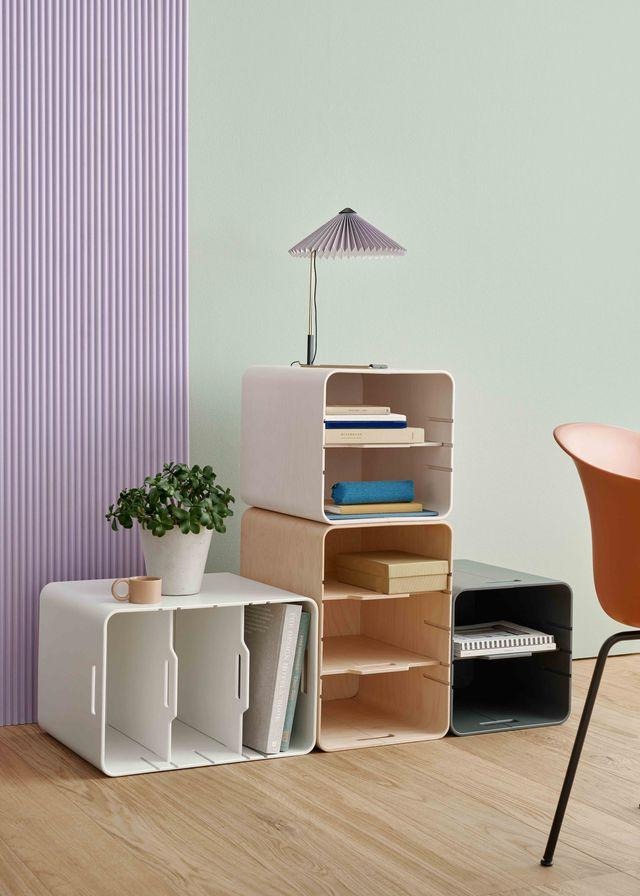
In addition to its functional performance, plywood stands out for its visual appeal. Wood brings a warm and natural feeling compared with MDF, metal, and plastic, which often feel industrial, disposable, artificial, and cheap. Niimaar recycling Ecomini and Ecosmol bins are not just equipment that streamlines the recycling process but also a part of furniture that fits seamlessly into any interior, whether it is contemporary minimalism, elegant classical, or silent luxury.
Each Niimaar recycling station could also be customized in terms of color, symbols, and postures, and section size, using the adjustable partition wall. Additionally, the Niimaar modular boxes could also extend their life through multiple uses, being doubled as shelves, cube storage units, a planter box, or side tables.
Circularity
Because plywood material originates from wood, it naturally fits the logic of circular design. It could be reused and repurposed. For example, old Niimaar recycling bins can find a second life as storage units or planter boxes in the garden. Additionally, our clients can resell these products, further extending their lifecycle and keeping them in use instead of sending them to waste.
Unlike MDF, which is difficult to recycle due to synthetic resins, and plastics, which require energy-intensive, material-specific processing, plywood keeps its carbon footprint low while extending the life of the wood. In contrast to plastics, metal, or MDF, which are often downcycled, our plywood bins could be easily recycled into construction panels, particle boards, or other wood–based products, reducing the need for raw materials and minimizing environmental impact.
How it connects to the EU policy and the future design
By choosing plywood, Niimaar ensures a long-term and sustainable material loop, supporting the principles of the EU regulations and policy. At Niimaar, our design and production approach is fully aligned with the EU Green Deal goals to reach climate neutrality by 2050 by transforming the way the products are made and consumed.
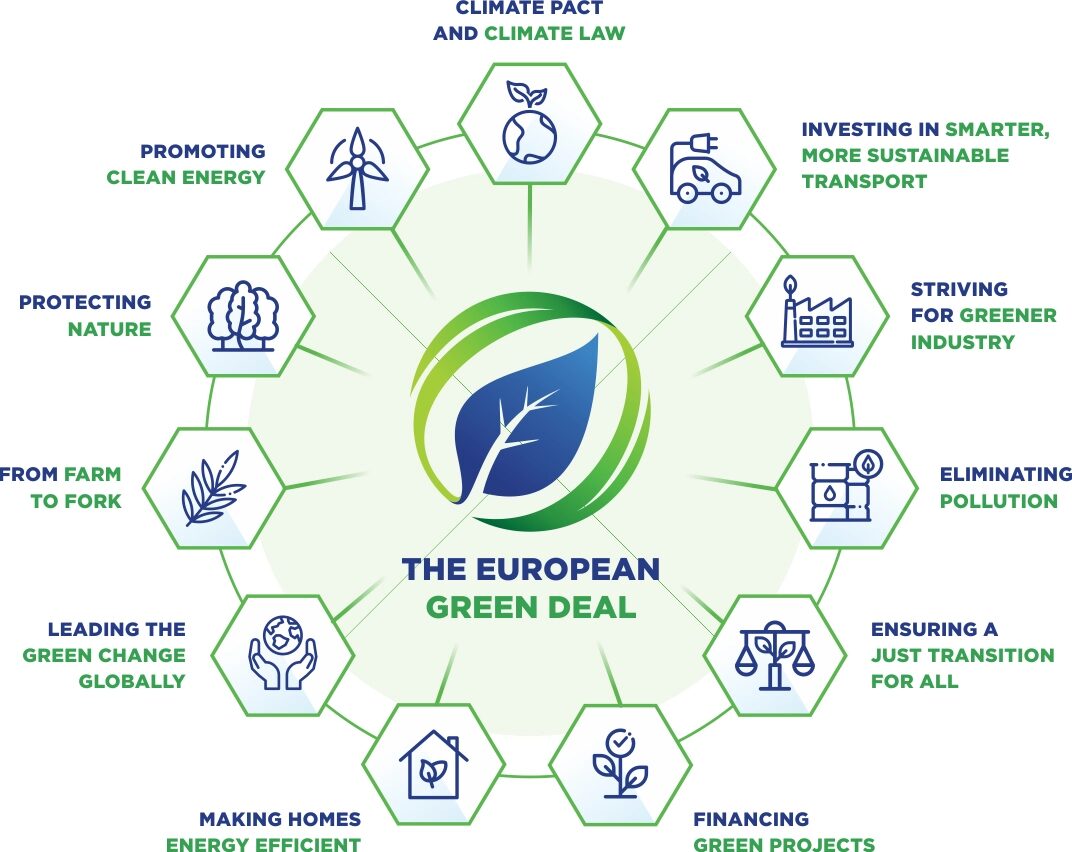
By choosing durable, repairable, circular materials like Finnish FSC (Forest Stewardship Council Certified) birch plywood, we help our customers to recycle effectively and extend the life of everyday products. At the same time, by integrating environmental consideration in the entire design phase, Niimaar complies with the EU Ecodesign Regulations, aiming to minimise the product impact across its full life-cycle.
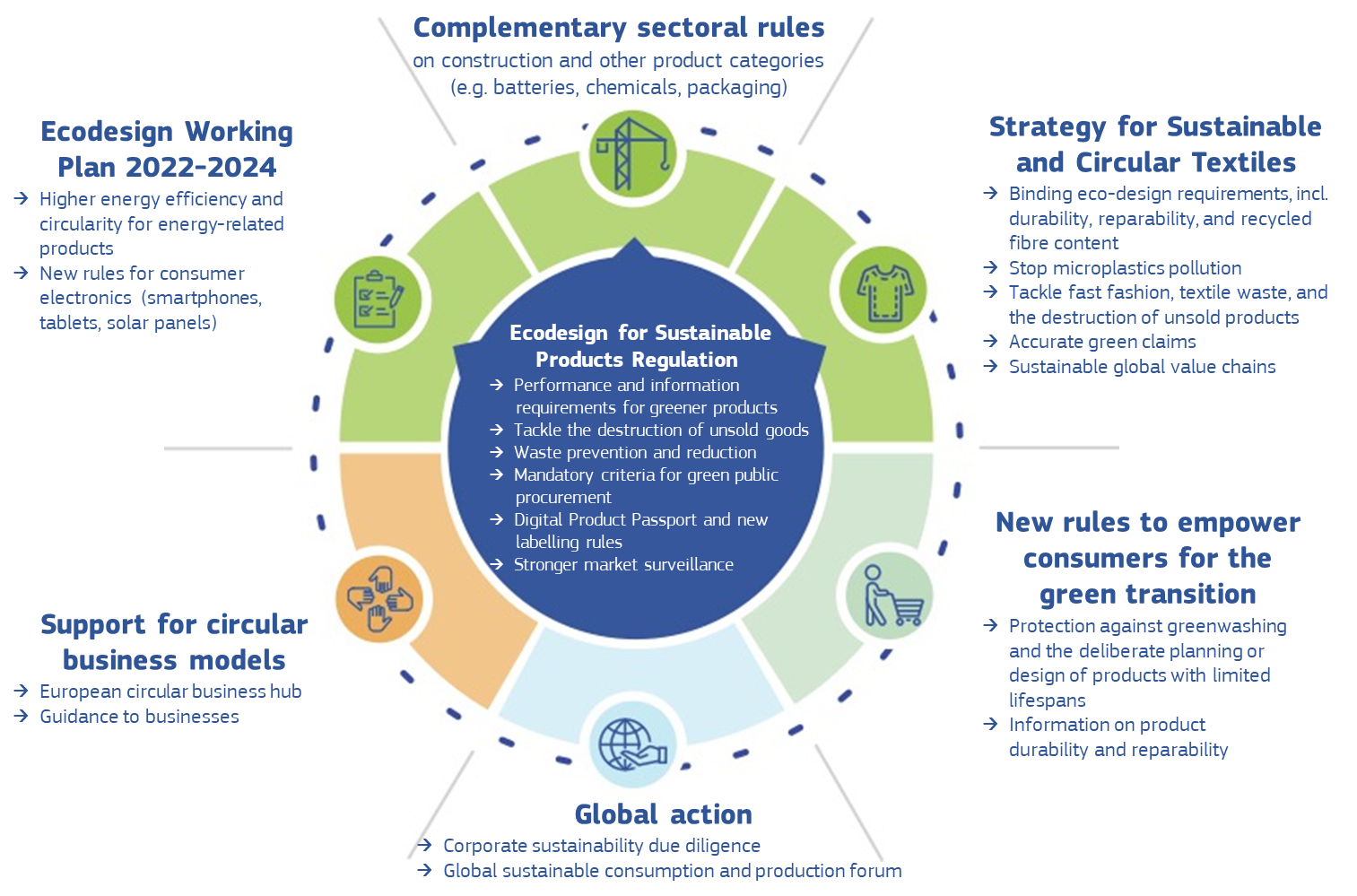
Moreover, sourcing our plywood from Finnish suppliers like Koskisen, Niimaar ensures full compliance with EU regulations while supporting local production. This approach avoids the risks associated with imported plywood from countries under high duties or restrictions, and allows us to maintain fair pricing for our customers without compromising on quality, sustainability, or circularity.
Niimaar products are designed to make an impact
Niimaar’s circular approach means that our products can adapt, evolve, and stay in use for decades. Every Ecomini, Ecosmal, or Ecogrande unit is more than a functional design object. Our products are made from durable, high-quality plywood, designed to last, easy to take care of, and aesthetically versatile. They embody the circular thinking from the sourcing, design, to production.
Our product also serves as a powerful tool to educate and encourage sustainable habits and conscious consumption, helping people make small but meaningful choices for the planet every day.
Share Story