Circular Design Chronicles: Niimaar’s Informative Package Part – 1
Revolutionizing Tomorrow: Niimaar’s Circular Design Solutions for a Sustainable Future
In recent years, there has been a growing emphasis on transitioning towards a circular economy, a concept that aims to minimize waste and maximize the use of resources through sustainable practices. Central to this shift is circular design, which focuses on creating products and systems that can be continuously reused, repaired, and recycled. As we look towards the future, the expectations, and changes within the realm of circular design are evolving, with a greater emphasis on incorporating innovative technologies and materials.
Today, a key aspect of this evolution is the adoption of several circular Design frameworks, which provides a structured approach to designing products with circular principles in mind. Additionally, as a part of circulation acts, implementation of Digital Product Passports (DPP) is gaining traction, allowing for the tracking of a product’s lifecycle and materials, ultimately promoting transparency and accountability. Thus, as governments and international organizations increasingly recognize the importance of incorporating circular design principles into their policies and initiatives, we can expect to see more widespread adoption of DPP and other circular economy strategies in the years to come.
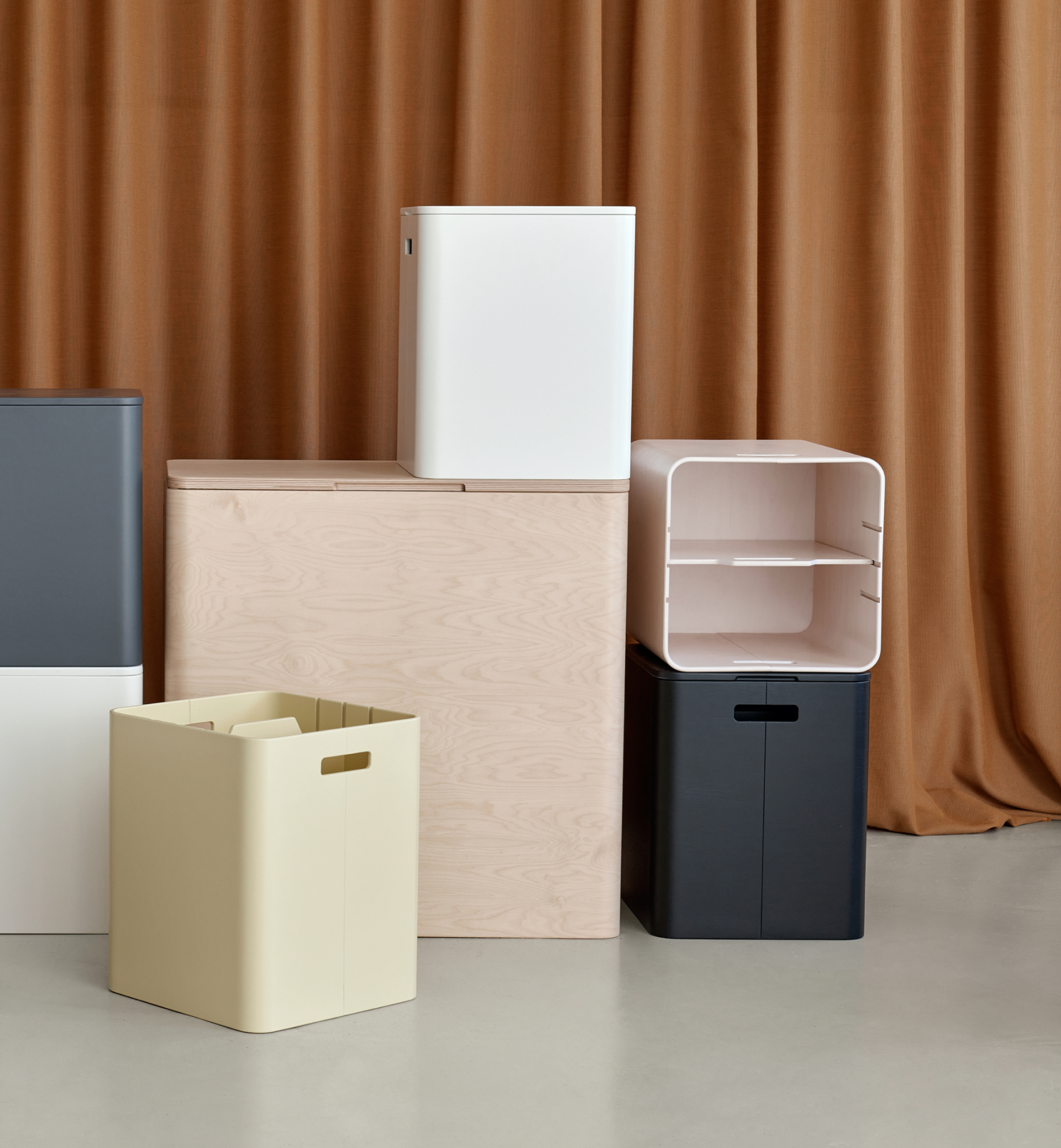
At Niimaar, we are proud to lead the way in the circular economy revolution, offering sustainable products and designs for both individual and corporate customers. Our commitment to sustainability goes beyond just creating eco-friendly products – we also provide Circular Economy Services that drive growth and innovation. Our team of engaged minds and subject matter experts analyze material waste streams, reduce waste, plan circular business activities, and guide sustainability reporting to ensure that our clients are making a positive impact on the environment. Through our services, we aim to disrupt traditional business models, reduce waste, and create better value for our customers and the planet.
Link: https://niimaar.com/shop/https://niimaar.com/business/
As Niimaar, we are dedicated to keeping our followers and customers informed on the latest trends, frameworks, and regulatory updates in the world of circular economy and design. Our informative journal provides valuable insights into how businesses can adopt sustainable practices, reduce waste, and contribute to a more circular economy. From recent case studies to expert analysis, our journal aims to educate and inspire readers to make a positive impact on the environment. Stay informed with Niimaar and join us on the journey towards a more sustainable future through circular design and economy…
Fundamentals of Circular Design
Design plays a pivotal role in driving change, whether that be through new products, business strategies, or entire industries. The presence of waste and pollution in our economy is not a random coincidence; rather, it is a direct consequence of the decisions made during the design phase. Similarly, the depletion of nature and natural resources for production is a direct result of how we design and utilize products and materials. By incorporating the guiding principles of the circular economy into every stage of the design process, we have the ability to reshape our economy to benefit individuals, businesses, and the environment in a sustainable manner.
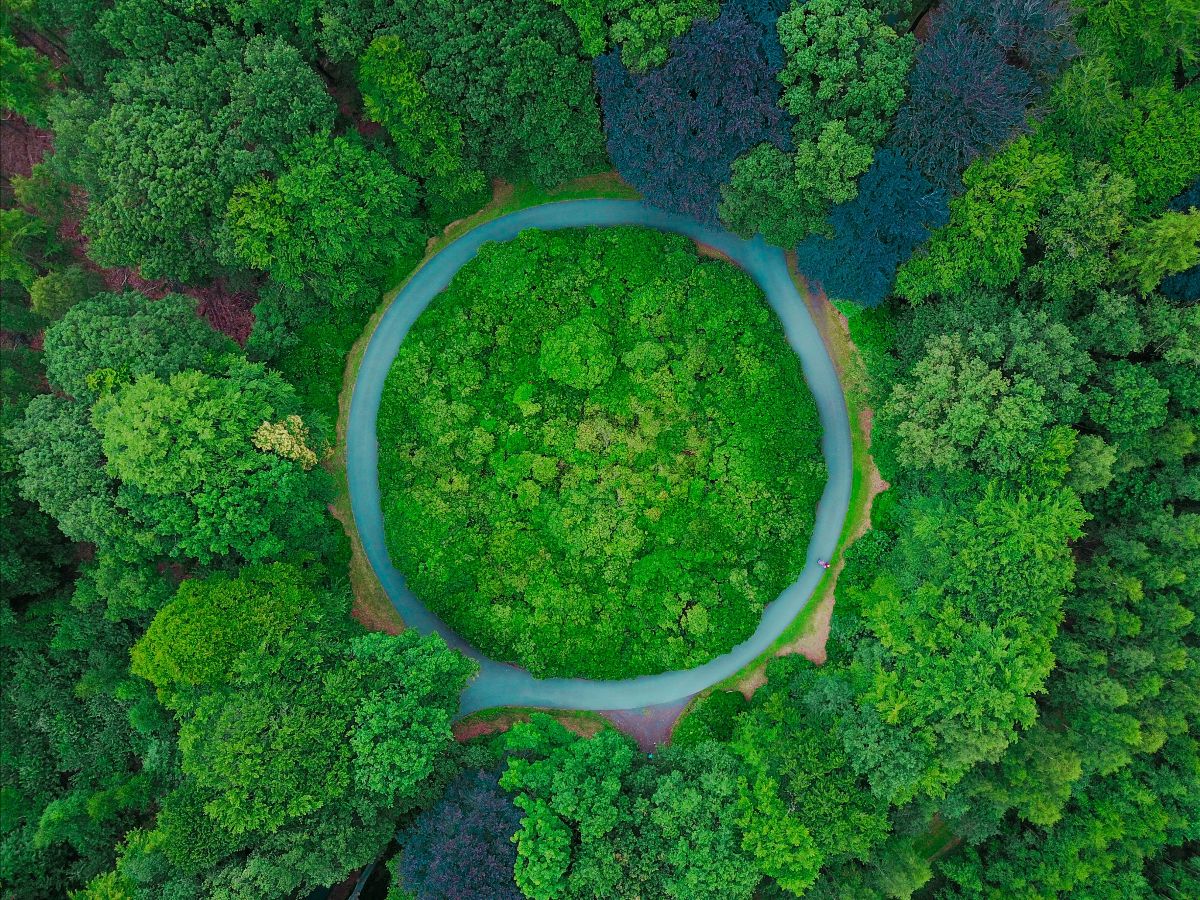
Choices in design impact not only our diets, clothing, and living spaces, but also the intricate systems that shape how we access food and transportation. Currently, industries such as fashion, food production, and plastic packaging are structured in a way that leads to the disposal of a majority of materials through landfill, burning, or release into the natural environment. Despite an abundance of clothing being manufactured, a significant amount ends up unused, while a substantial portion of food is wasted. The consequences of this wasteful practice extend beyond just materials, as valuable energy, resources, labor, and creativity are also squandered. By implementing sustainable design practices from the outset, circular design offers an opportunity to prevent the generation of waste and pollution, while also promoting the regeneration of nature.
CIRCULAR vs. LINEAR
In LINEAR ECONOMY, products are often discarded after just one use, contributing to major challenges such as resource scarcity, pollution, climate change, and biodiversity loss. Approximately 45% of global greenhouse gas emissions come from the production of goods and food. In which, clothes are being produced at record rates but worn less, with tons of clothing ending up in landfills or burned every second, or a third of all food produced is wasted while people are starving. This system not only wastes materials but also energy, resources, labor, and the cultural value of creativity. The linear economic model may have provided affordable products on a mass scale, but it is also the root cause of climate change and biodiversity loss. In this context, the major problems created by the linear approach and its catastrophic consequences in the future are:
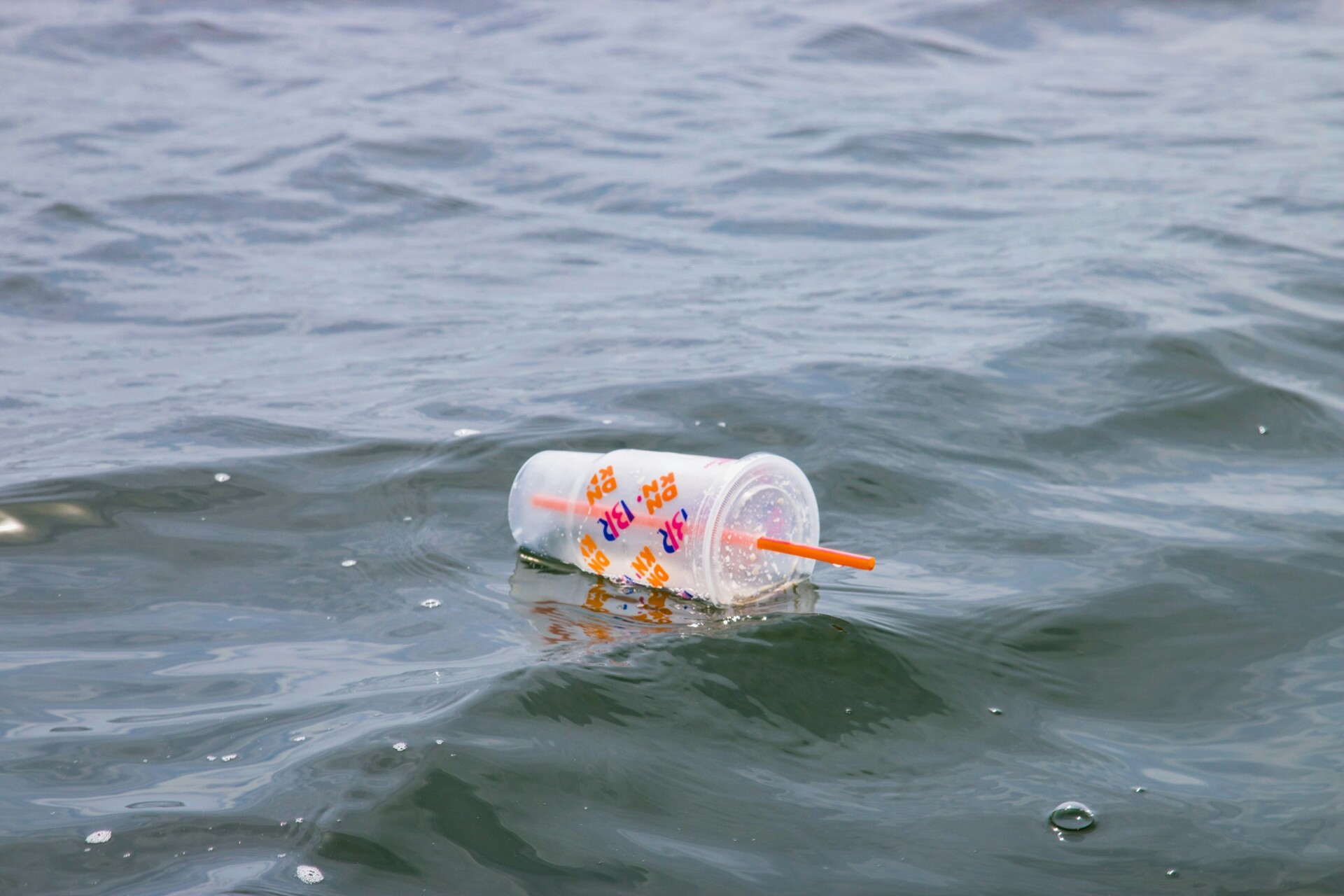
Plastics – The prevalence of single-use plastics has become a pressing issue, with 50% off all plastic falling into this category. These plastics not only contribute to a staggering annual economic loss of $120 billion but also expected to cover 15% of the annual share of the carbon budget in 2050. As a result, it is expected that by 2050, there will be more plastic in oceans than there are fishes.
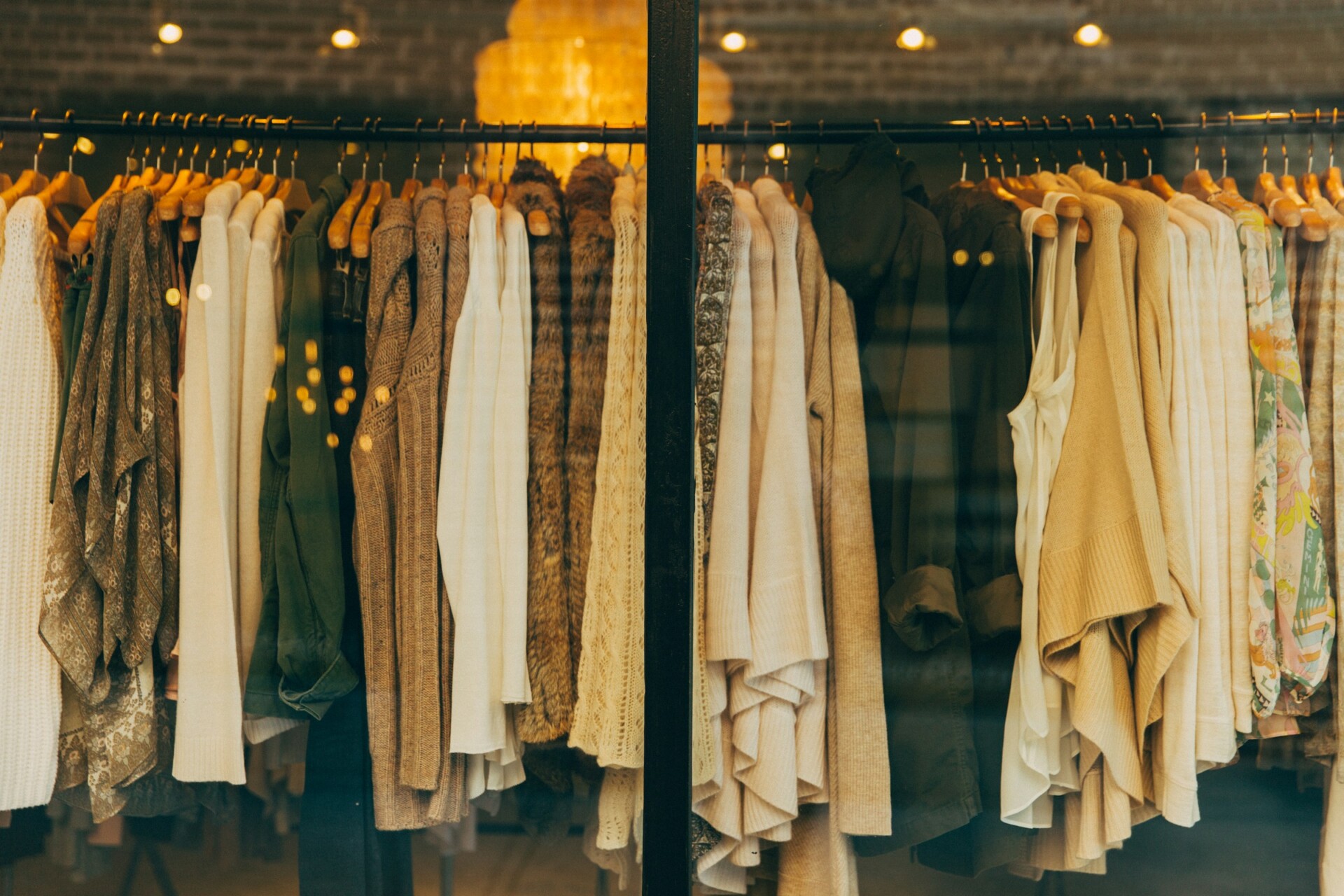
Fashion & Textiles – The alarming statistics surrounding textile waste paint a grim picture of the current state of affairs. A staggering 60% of all textiles are either burnt or end up in landfills, leading to an annual economic loss of $500 billion. This wastage also covers 26% of the annual share of the carbon budget in 2050, contributing significantly to environmental degradation. Additionally, forecasts suggest that a massive 22 million tons of plastic microfibers are expected to enter oceans, further exacerbating the already pressing issue of plastic pollution.
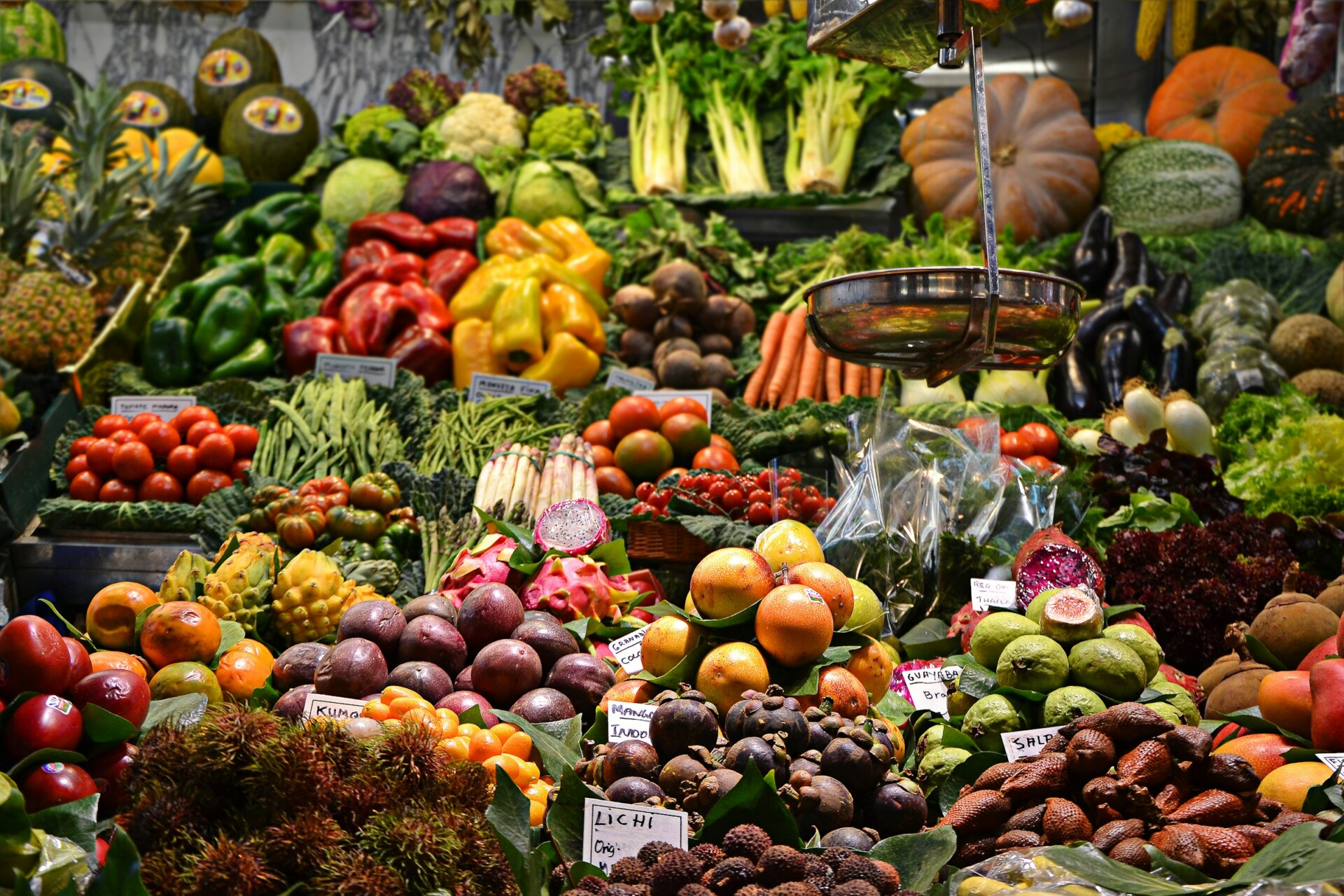
Food & Agriulture – The volume of edible food that goes to waste, accounting for 33% of all food products, is a troubling reality that not only results in an annual economic loss of $1,300 billion but also has significant environmental repercussions. The impact is further compounded by predictions indicating that by 2050, this food wastage will cover 77% of the annual share of the carbon budget.
CIRCULAR ECONOMY is inspired by these challenges, designers have started to confront the primary aspect of the linear economy. While addressing the evident issues of this faulty system may seem like a practical first step initially, it ultimately falls short in adequately addressing urgent global concerns like climate change and biodiversity loss. Circular approach provides a range of strategies, including minimizing material usage, repurposing waste as a valuable resource, and promoting recycling initiatives, to offer a more sustainable and comprehensive solution to these pressing environmental issues.
Optimizing Materials – Designing with material efficiency is crucial, but it is not enough on its own. Simply reducing waste and extraction can delay the inevitable and does not establish a sustainable long-term model. While modern manufacturing techniques can improve efficiency, the advancements are mostly incremental. Progress can be achieved in the food industry by enhancing productivity and reducing waste. By focusing solely on efficiency in design changes can lead to unintended negative consequences if the overall system effectiveness is not considered. Such as, switching from traditional detergent bottles to more compact and lightweight film packaging can reduce plastic usage, waste, and transportation costs, thus lowering CO2 emissions.
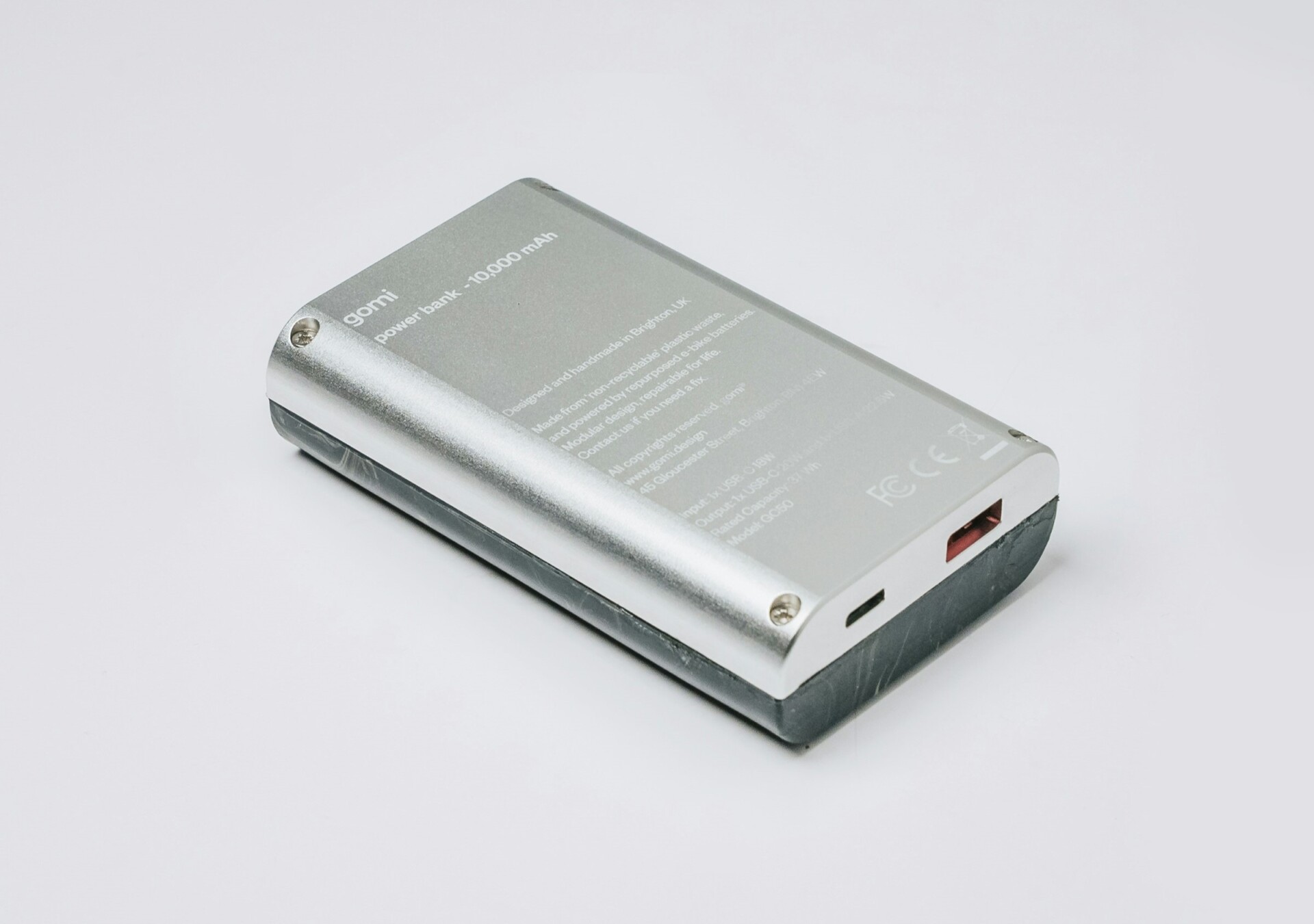
Waste as a resource – An emerging solution that transform waste into useful resources and products, generating new revenue streams such as converting textile sludge into bricks or repurposing plastic bottles into trainer soles. However, focusing on utilizing waste to create new items does not fully address the energy and waste involved in the original production process or the disposal of these new products once they are no longer needed. Designing products with waste is not as effective as designing out waste entirely, as it only addresses a portion of the issue. Designing products to be more durable and repairable, as well as promoting reusability, can help to keep items in circulation within the economy and prevent them from ending up as waste.
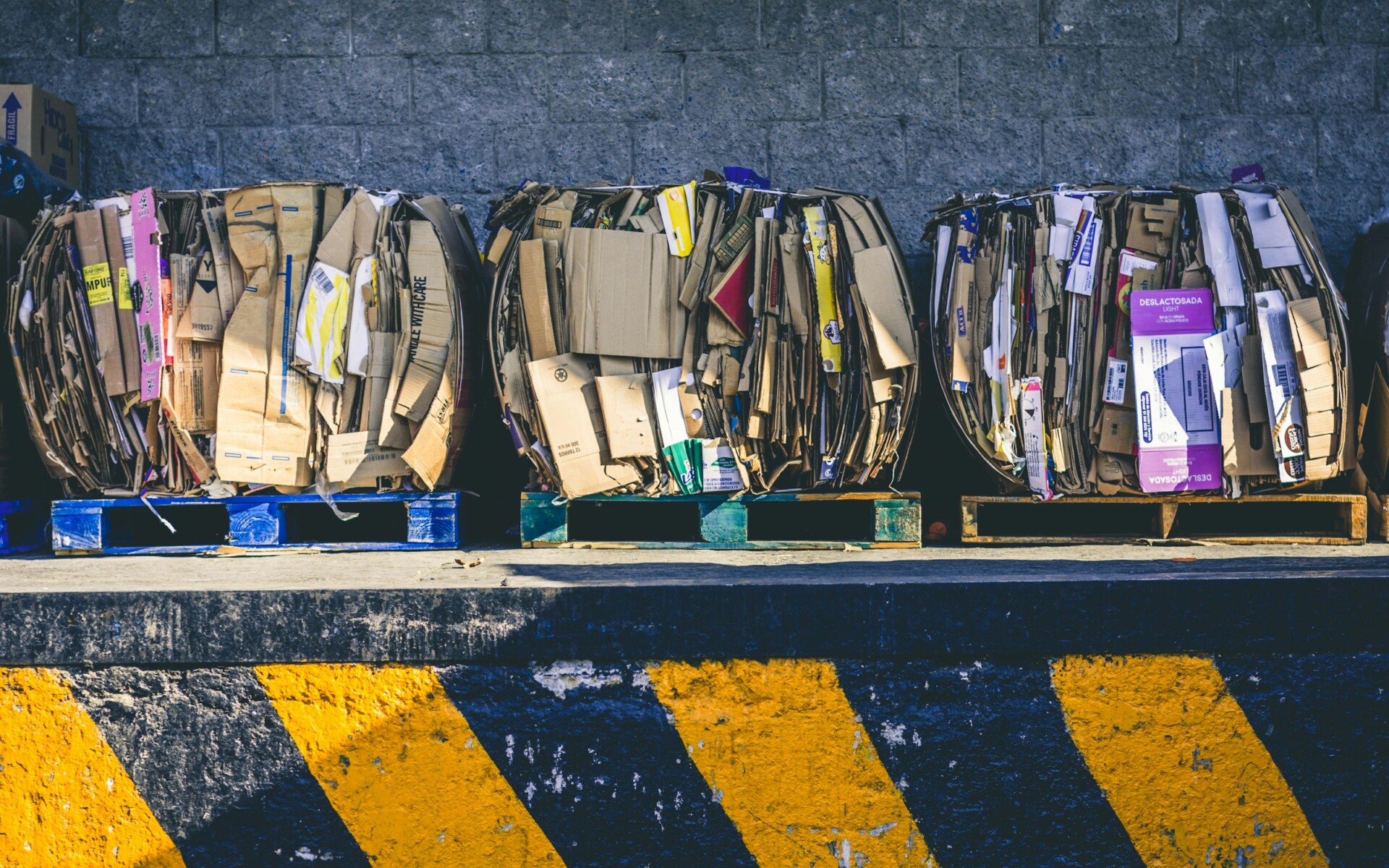
Recycling – While recycling offers tangible benefits like reducing litter, pollution, and creating jobs globally, solely relying on recycling to solve environmental issues can create a false sense of security. The recycling process often leads to a loss of quality in materials such as paper and polyester. Recycling efforts sometimes result in lower-value items like insulation and mattress-stuffing, which are challenging to recover at the end of their life cycle, ultimately delaying their ultimate disposal destiny on a linear path. Additionally, our inefficient recycling systems result in a quantity loss of materials, further contributing to our dependency on extracting new finite resources and energy for refining processes. Therefore, recycling alone cannot guarantee that materials will be maintained in use at their highest value over the long term.
Share Story